Tradition · Brewed for Millennia

Whole-plant herbal teas, rooted in tradition.
No additives. No shortcuts.
Just leaves, roots, flowers, and bark — prepared with the care they've always deserved.
Whole-plant herbal teas, rooted in tradition.
No additives. No shortcuts.
Just leaves, roots, flowers, and bark — prepared with the care they've always deserved.
Long before clinical trials, before patents, long before modern supplements had a name — people brewed leaves, roots, flowers, and bark for the way they made them feel. That practice never went away. It quietly survived in kitchens, in markets, in grandmothers' notebooks across the world.
We carry that practice forward — starting with Mexico's living apothecary, with Chinese and other traditions to follow. Whole-plant. Single-origin. No fillers. No additives. No shortcuts.
See the LibraryEach tea is a single botanical, chosen for what it does and the centuries of tradition behind it. Tap any card for benefits, tradition, and brewing notes.
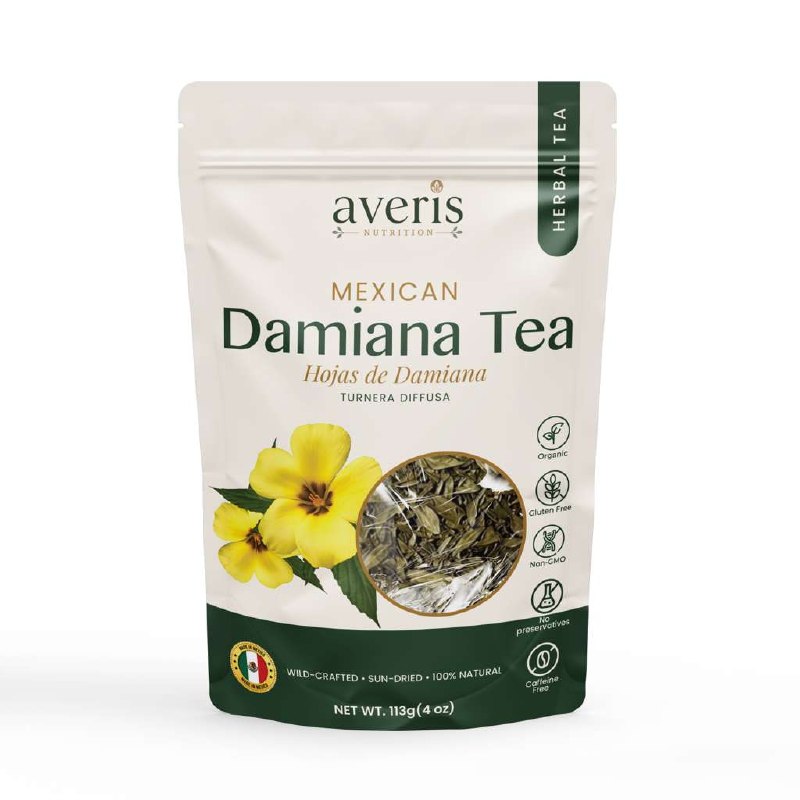
A small aromatic shrub native to the dry hills of Mexico and Central America. Indigenous communities have brewed its leaves for centuries — a smooth, earthy tea with subtle floral notes and a gentle, calming character.
View DetailsUsed by Aztec and Mayan healers for over 500 years across the Mexican highlands and Baja peninsula. Brought into formal pharmacopeia in the late 1800s. The leaf has been quietly recommended ever since for the same things our great-grandmothers used it for: lifting the spirits, easing the body.
Reseal after opening. Store in a cool, dry place away from direct light.
Packed in a facility that also processes tree nuts, wheat, and soy.
Consult your doctor if you are pregnant, nursing, or taking medications. These statements have not been evaluated by the FDA. This product is not intended to diagnose, treat, cure, or prevent any disease.
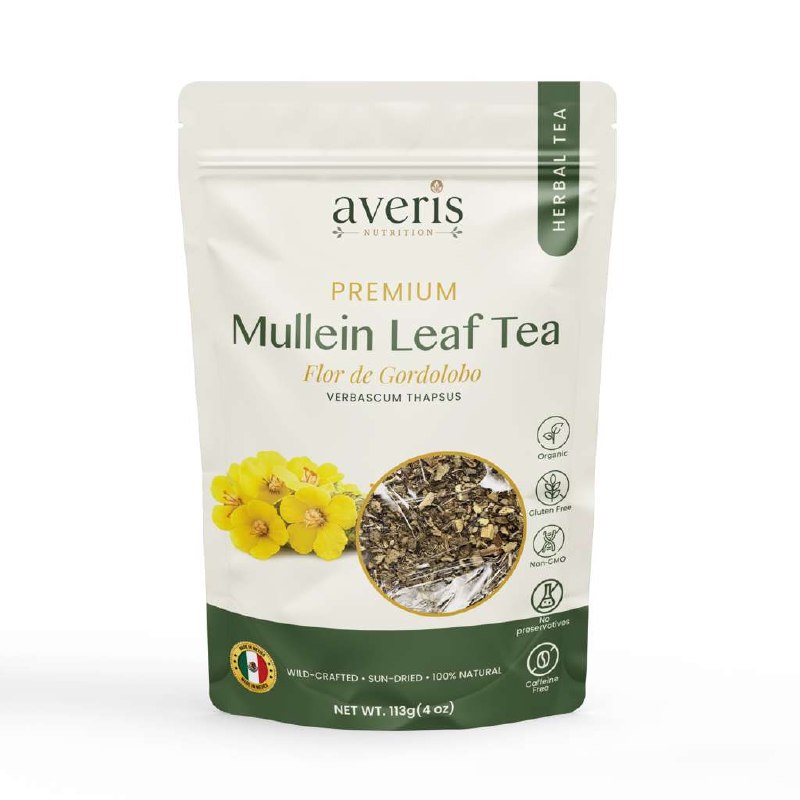
A soft, woolly plant with golden flowers, long used in traditional herbal practices of Mexico and Central America. Its flowers and leaves have been brewed for generations — a mild, honey-toned tea with a gentle, velvety character.
View DetailsMullein has been documented in European medicine for over 2,000 years and was naturalized in Mexico after Spanish contact. Mexican curanderos adopted it for cough and chest complaints, and today it remains the household go-to remedy across the country whenever the breath gets heavy.
Reseal after opening. Store in a cool, dry place away from direct light.
Packed in a facility that also processes tree nuts, wheat, and soy.
Consult your doctor if you are pregnant, nursing, or taking medications. These statements have not been evaluated by the FDA. This product is not intended to diagnose, treat, cure, or prevent any disease.
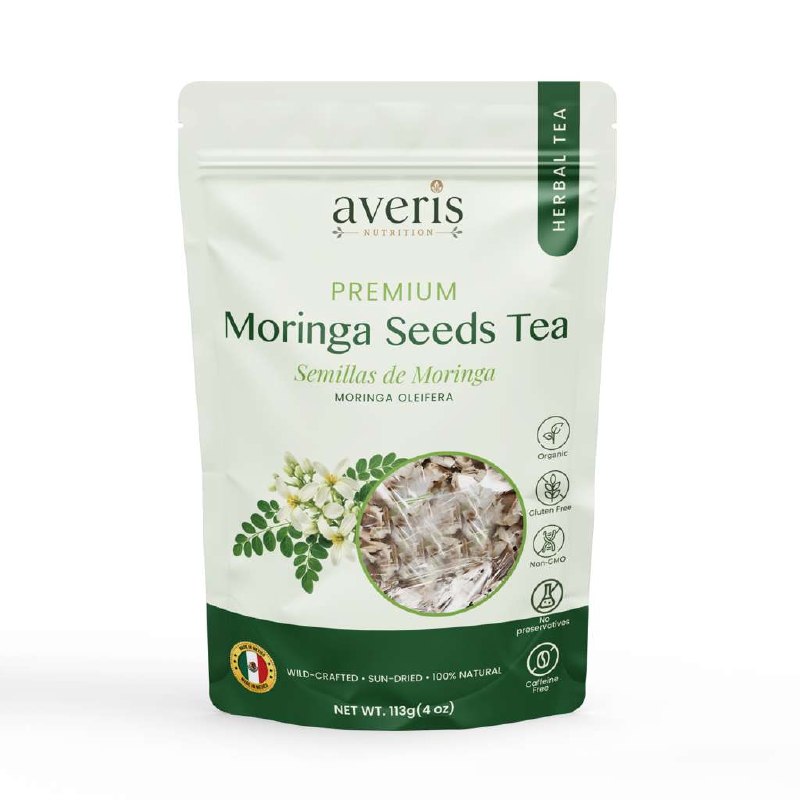
Celebrated across tropical regions as one of nature's most nutrient-rich plants. Known as the "miracle tree," its seeds have been brewed for centuries in traditional practices throughout Mexico and South Asia — a light, earthy infusion with a mild, nutty finish.
View DetailsFor more than 4,000 years across Ayurveda, African folk healing, and Mesoamerican kitchens, moringa seeds have been treasured for two qualities: their dense plant nutrition and their remarkable ability to clarify water. Healers chewed a single seed for vitality; village elders crushed them to purify well water. Today the same seeds are studied for their oleic-acid content and antimicrobial peptides.
Reseal after opening. Store in a cool, dry place away from direct light.
Packed in a facility that also processes tree nuts, wheat, and soy.
Consult your doctor if you are pregnant, nursing, or taking medications. These statements have not been evaluated by the FDA. This product is not intended to diagnose, treat, cure, or prevent any disease.
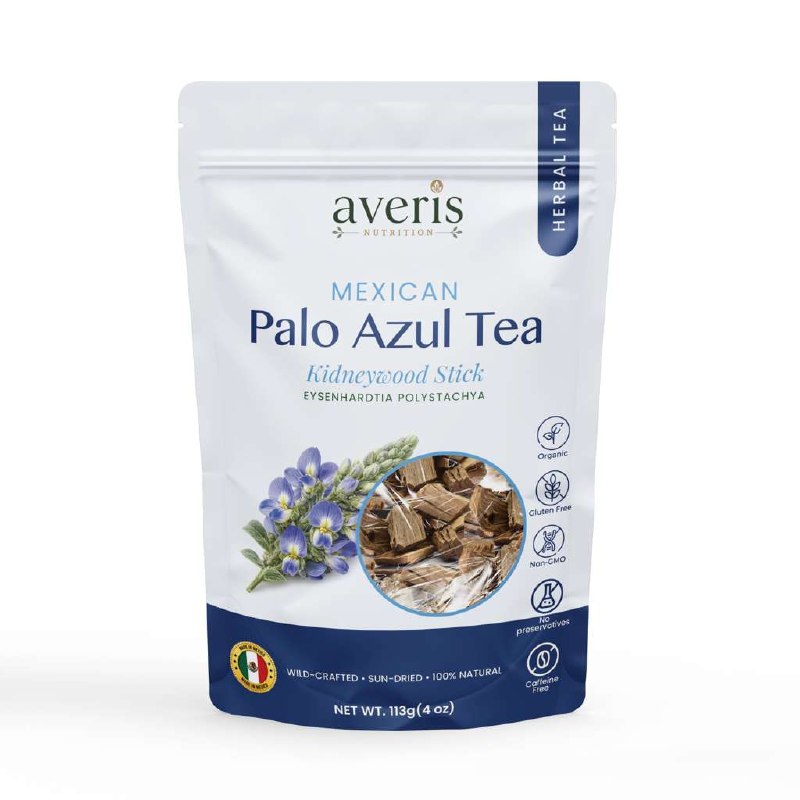
A remarkable wood native to Mexico, prized for the stunning blue fluorescence it releases when steeped in water. Brewed for centuries as a cleansing herbal infusion — a light, golden-blue tea with a clean, subtly sweet taste.
View DetailsOne of the oldest herbal remedies of Mexico — documented in the Aztec Codex Florentino (1577). The bark has been used continuously for kidney and bladder support for at least 500 years, and remains a staple in Mexican apothecaries today.
Reseal after opening. Store in a cool, dry place away from direct light.
Packed in a facility that also processes tree nuts, wheat, and soy.
Consult your doctor if you are pregnant, nursing, or taking medications. These statements have not been evaluated by the FDA. This product is not intended to diagnose, treat, cure, or prevent any disease.
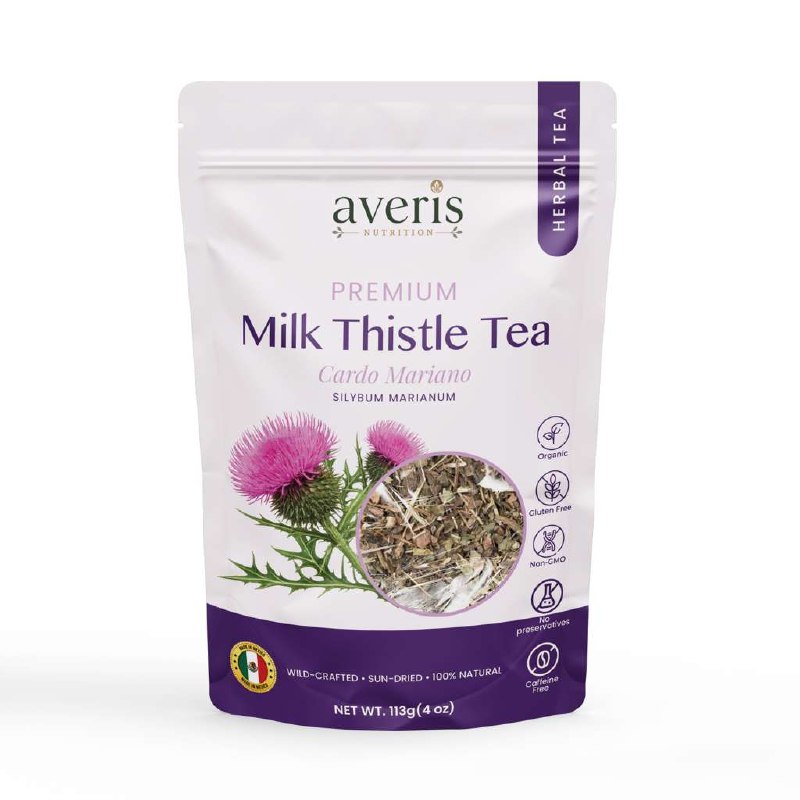
Known worldwide as Milk Thistle, a flowering herb with a centuries-long history in traditional herbal practices. Used across Mexico and the Mediterranean, its seeds are brewed into a rich, earthy infusion — slightly nutty with a warm, full-bodied character.
View DetailsUsed by ancient Greek and Roman physicians over 2,000 years ago for liver complaints. Spanish missionaries brought milk thistle to Mexico, where it became a steady fixture of the apothecary tradition. Today it's one of the most-studied herbs in modern phytomedicine.
Reseal after opening. Store in a cool, dry place away from direct light.
Packed in a facility that also processes tree nuts, wheat, and soy.
Consult your doctor if you are pregnant, nursing, or taking medications. These statements have not been evaluated by the FDA. This product is not intended to diagnose, treat, cure, or prevent any disease.
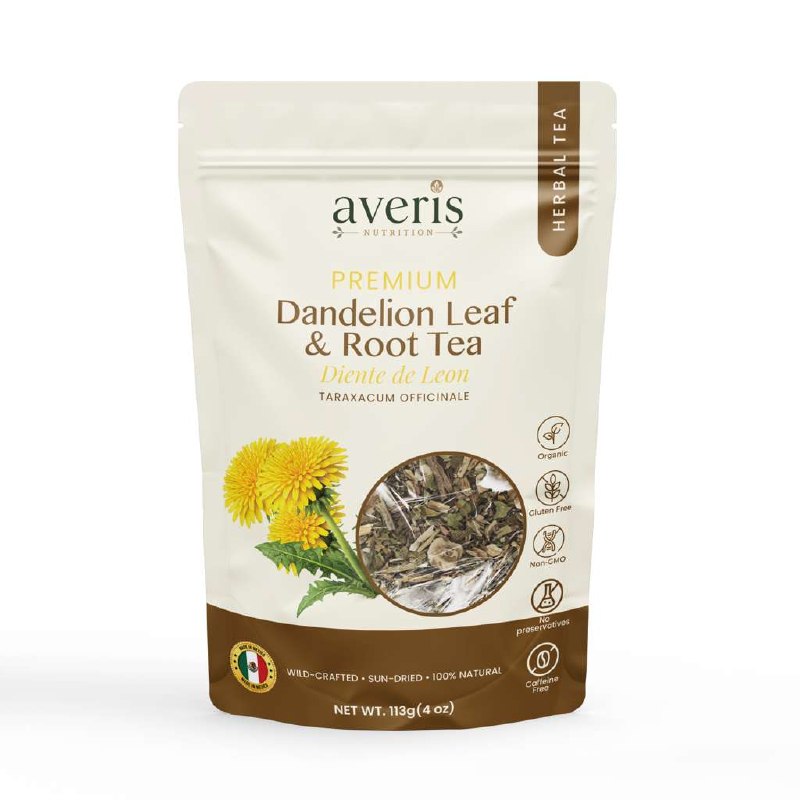
Known worldwide as Dandelion, a resilient wild plant revered in traditional Mexican and European herbal practices alike. Brewed for generations — a rich, slightly bitter, roasted infusion with a deep, earthy warmth.
View DetailsUsed across at least three continents for over a thousand years — by Native American healers, by traditional Chinese medicine (蒲公英), by European herbalists. One of the most universal herbs on the planet, taken for the same reasons everywhere: to support daily cleansing, digestion, and fluid balance.
Reseal after opening. Store in a cool, dry place away from direct light.
Packed in a facility that also processes tree nuts, wheat, and soy.
Consult your doctor if you are pregnant, nursing, or taking medications. These statements have not been evaluated by the FDA. This product is not intended to diagnose, treat, cure, or prevent any disease.
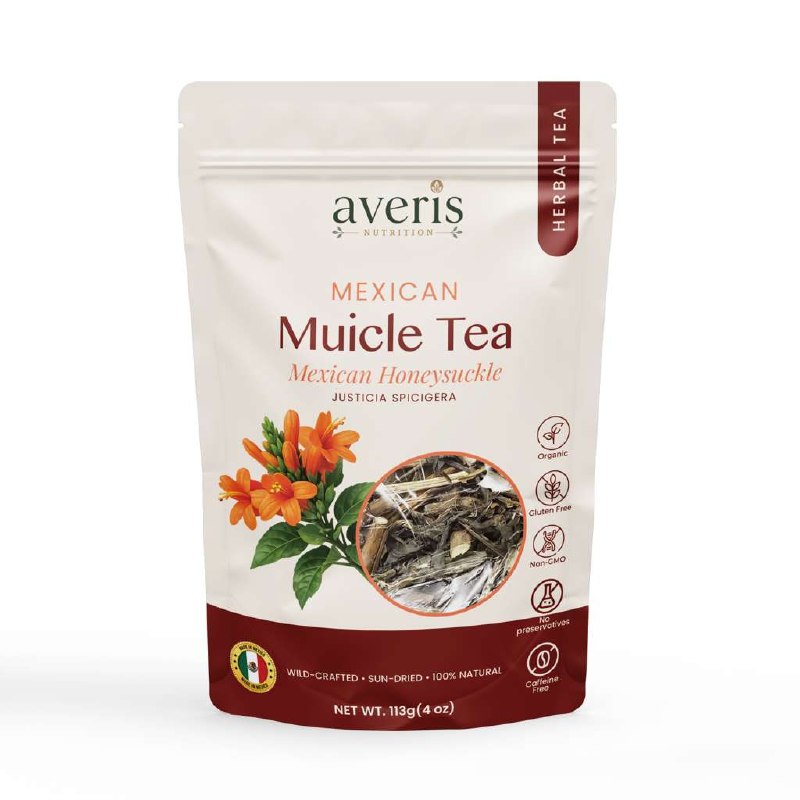
A vibrant flowering shrub native to Mexico and Central America, recognized by its deep orange-red blooms and rich cultural heritage. Its leaves and flowers have been brewed for generations — a beautifully colored, slightly floral infusion with a mild, pleasant taste.
View DetailsAn ancient Aztec blood tonic, used for centuries throughout Mexico and Central America. Traditional healers gave it for low energy and pale complexion long before iron supplements existed. Its leaves create a naturally deep-purple infusion, long valued in Mexican home medicine.
Reseal after opening. Store in a cool, dry place away from direct light.
Packed in a facility that also processes tree nuts, wheat, and soy.
Consult your doctor if you are pregnant, nursing, or taking medications. These statements have not been evaluated by the FDA. This product is not intended to diagnose, treat, cure, or prevent any disease.
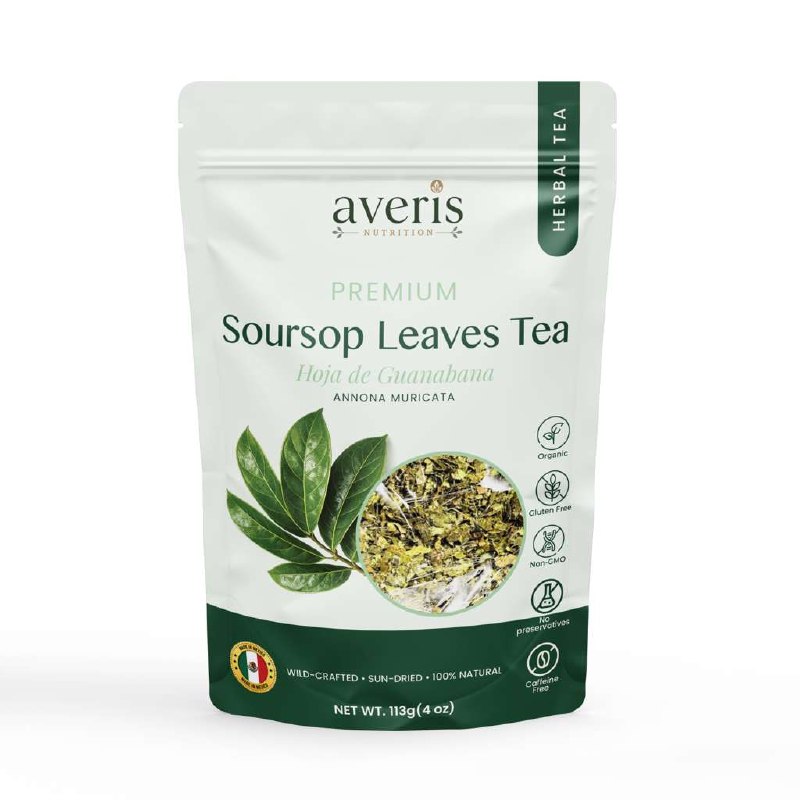
The leaf of the tropical Soursop tree, treasured in traditional practices throughout Mexico, the Caribbean, and South America for centuries. The leaves produce a smooth, lightly grassy infusion with a subtle tropical character and a naturally calming finish.
View DetailsUsed across the Caribbean, Central America, and tropical Mexico for generations. Indigenous communities brewed the leaf for fevers, sleep, and immune support long before the fruit became famous in juice bars.
Reseal after opening. Store in a cool, dry place away from direct light.
Packed in a facility that also processes tree nuts, wheat, and soy.
Consult your doctor if you are pregnant, nursing, or taking medications. These statements have not been evaluated by the FDA. This product is not intended to diagnose, treat, cure, or prevent any disease.
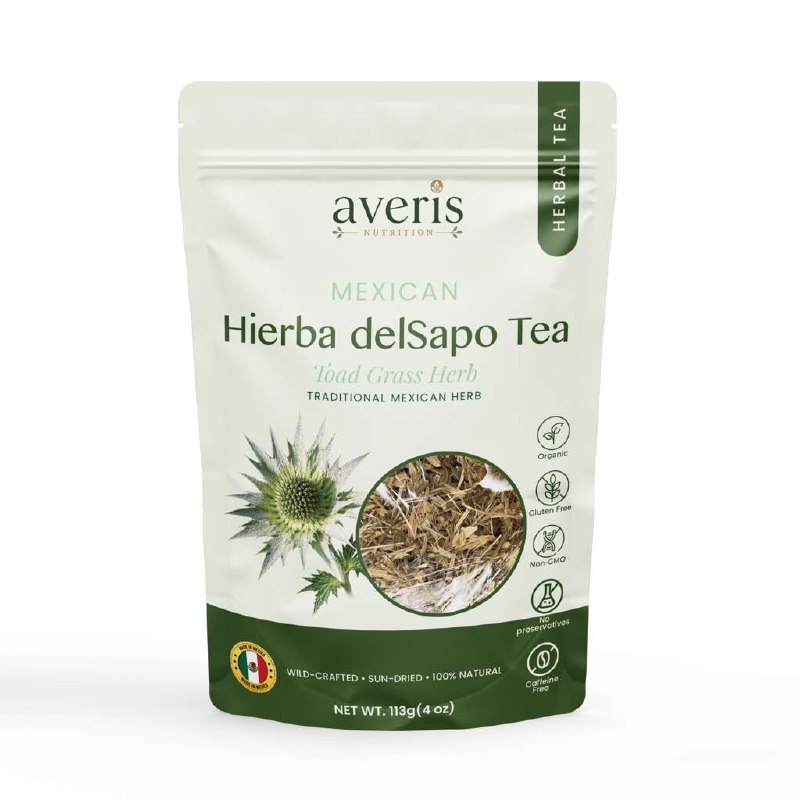
A traditional Mexican herb with deep roots in folk practices. Used for generations in rural communities throughout Mexico, it is brewed into a light, earthy infusion — a mild, slightly bitter tea with a clean herbal character.
View DetailsFound in the Mexican highlands and used by traditional healers for at least 200 years for the heart and the metabolism. A modest plant with a quiet reputation — and a growing body of recent research behind it.
Reseal after opening. Store in a cool, dry place away from direct light.
Packed in a facility that also processes tree nuts, wheat, and soy.
Consult your doctor if you are pregnant, nursing, or taking medications. These statements have not been evaluated by the FDA. This product is not intended to diagnose, treat, cure, or prevent any disease.
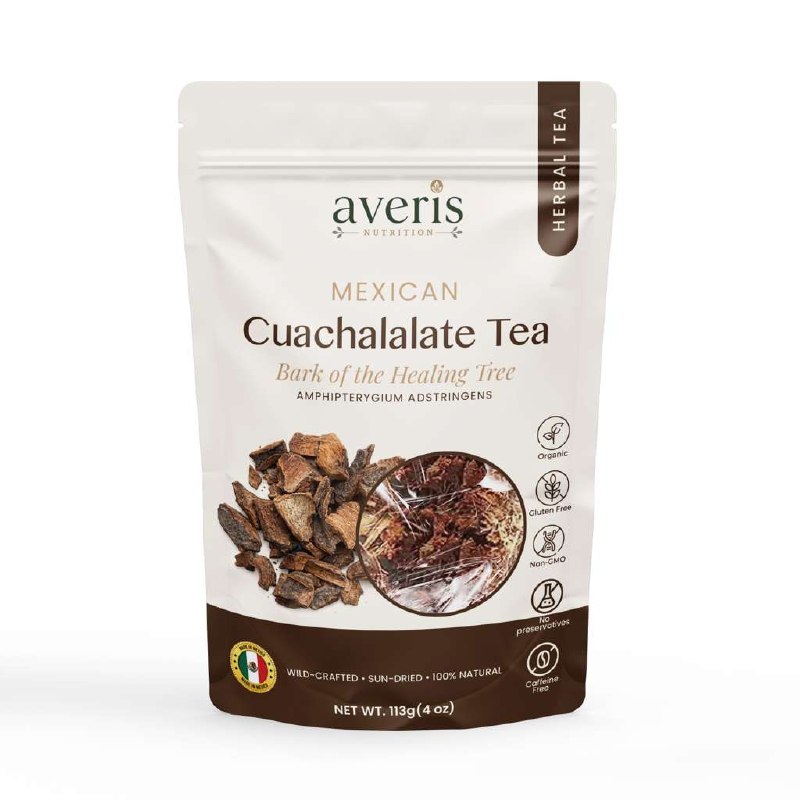
A rare and ancient tree native to the dry forests of Mexico, used for centuries in traditional Aztec and indigenous practices. Its bark is dried and brewed into a rich, amber-colored tea — warm and woody with a subtly astringent, earthy depth.
View DetailsUsed continuously by indigenous communities of central and southern Mexico for over 400 years. The bark has been a household remedy for ulcers, gum problems, and digestive distress for generations in traditional markets.
Reseal after opening. Store in a cool, dry place away from direct light.
Packed in a facility that also processes tree nuts, wheat, and soy.
Consult your doctor if you are pregnant, nursing, or taking medications. These statements have not been evaluated by the FDA. This product is not intended to diagnose, treat, cure, or prevent any disease.
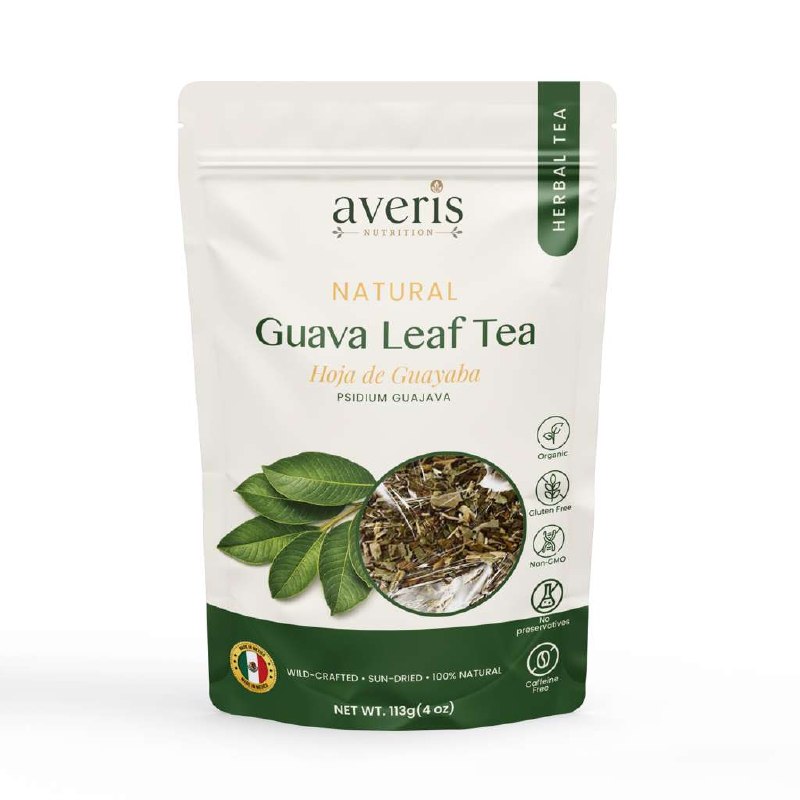
The leaf of the beloved Guava tree, brewed as a traditional infusion throughout Mexico, Latin America, and Asia for centuries. The leaves produce a smooth, mildly astringent tea with a light, pleasant fruitiness and a gentle, warming character.
View DetailsThe Aztecs called it "xalxocotl" and used the leaf for digestion and wound healing. Across Mexico, Central America, and the Caribbean, guava leaf has been simmered after meals for centuries — a quiet, reliable household ritual.
Reseal after opening. Store in a cool, dry place away from direct light.
Packed in a facility that also processes tree nuts, wheat, and soy.
Consult your doctor if you are pregnant, nursing, or taking medications. These statements have not been evaluated by the FDA. This product is not intended to diagnose, treat, cure, or prevent any disease.
Averis began with a simple idea: the herbal teas our grandmothers reached for had already earned their place. Centuries — sometimes millennia — of human experience had preserved what modern wellness is only beginning to rediscover.
We work directly with growers and small cooperatives across Mexico and the southwestern United States, with Chinese and other origins in the next chapters. Every harvest is wildcrafted or organically grown, lab-tested for heavy metals and adulterants, and sealed whole.
Our StoryBring Averis to your shop, café, or wellness studio. Growing demand for organic, single-origin teas — perfect for your menu or shelves. Request a sample today.
Contact UsCurious about brewing, sourcing, or what's actually inside? Here are the basics.